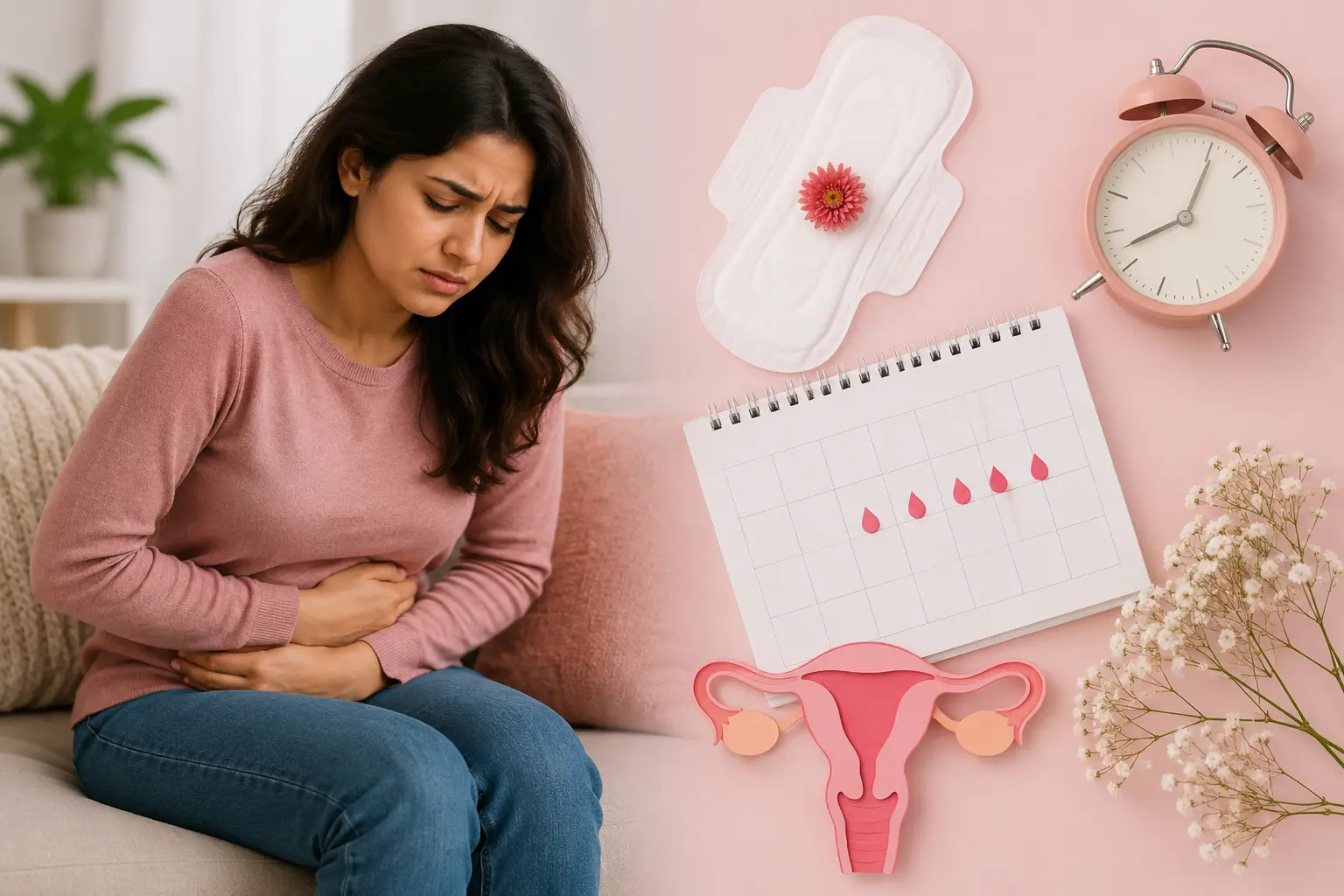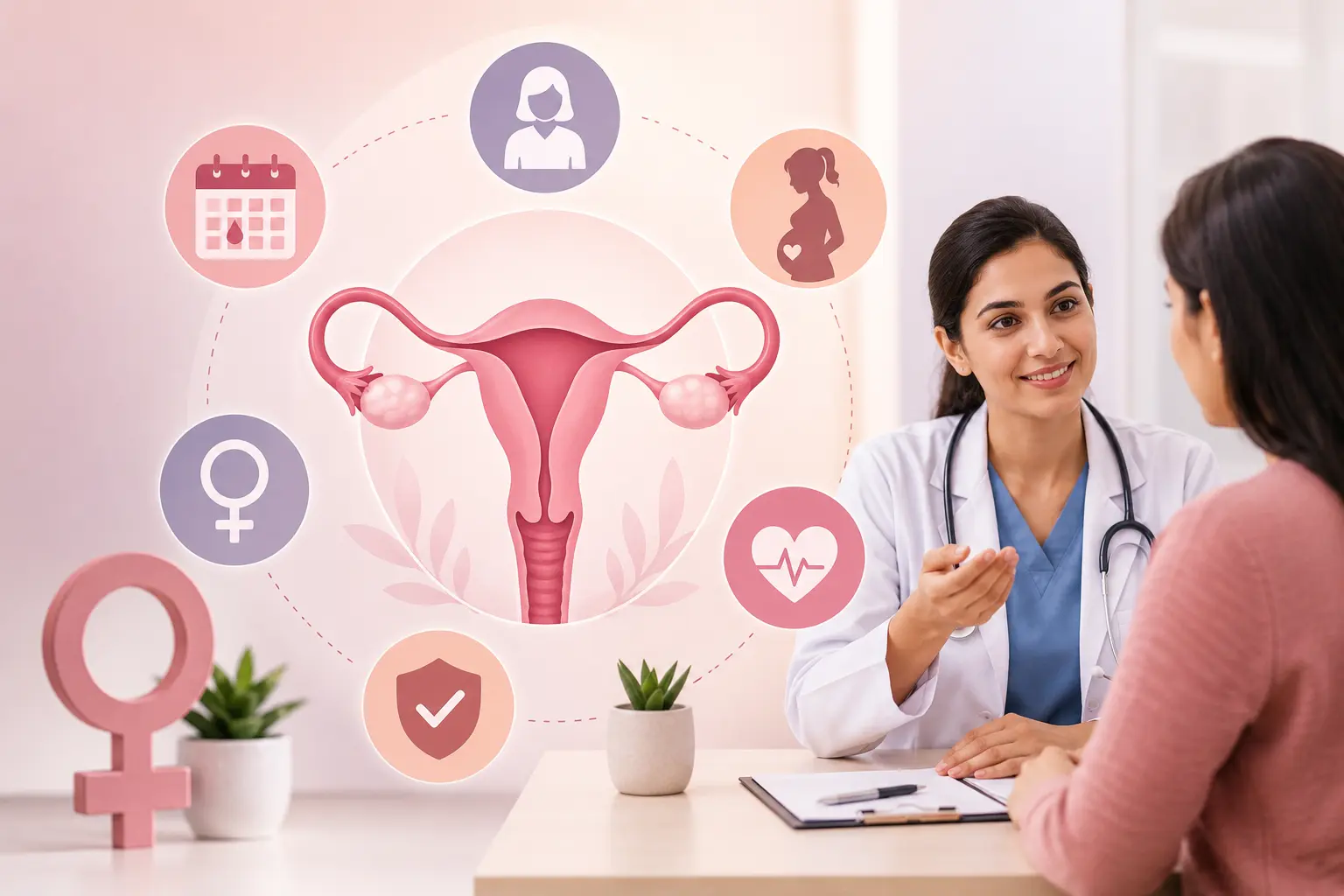
Women's health changes throughout life—from puberty and reproductive years to pregnancy, menopause, and beyond. Regular gynecological care plays an important role in maintaining overall health, detecting medical conditions early, and addressing concerns before they become serious.
Many women delay visiting a gynecologist because they believe their symptoms are "normal" or feel uncomfortable discussing intimate health issues. However, timely medical advice can help diagnose conditions early, improve quality of life, and support long-term reproductive health.
This guide explains what gynecology is, the conditions gynecologists treat, common symptoms that should not be ignored, and when it is appropriate to seek professional medical care.
What Is Gynecology?
Gynecology is the branch of medicine that focuses on the health of the female reproductive system. A gynecologist diagnoses, treats, and helps prevent conditions affecting the uterus, ovaries, fallopian tubes, cervix, vagina, and breasts.
Gynecologists also provide preventive healthcare, menstrual health guidance, family planning advice, contraception counseling, menopause management, and screening for certain diseases.
Common Conditions Treated by a Gynecologist
Gynecologists diagnose and manage a wide range of health concerns, including:
Irregular menstrual cycles
Painful periods
Heavy menstrual bleeding
Polycystic Ovary Syndrome (PCOS)
Endometriosis
Ovarian cysts
Uterine fibroids
Vaginal infections
Urinary tract infections
Pelvic pain
Cervical abnormalities
Menopause-related symptoms
Fertility concerns
Early diagnosis often improves treatment options and outcomes.
Symptoms You Should Not Ignore
While some menstrual discomfort can be common, certain symptoms deserve medical evaluation.
Consider consulting a gynecologist if you experience:
Very heavy menstrual bleeding
Periods lasting longer than usual
Severe pelvic or abdominal pain
Missed periods without pregnancy
Unusual vaginal discharge
Persistent itching or irritation
Pain during intercourse
Bleeding after intercourse
Bleeding after menopause
Difficulty becoming pregnant
Frequent urinary infections
A lump or unusual change in the breast
Persistent or worsening symptoms should always be evaluated by a healthcare professional.
Understanding PCOS
Polycystic Ovary Syndrome (PCOS) is one of the most common hormonal disorders affecting women of reproductive age.
Common symptoms include:
Irregular periods
Acne
Weight gain
Excess facial or body hair
Hair thinning
Difficulty conceiving
Management may include lifestyle changes, medication, and regular medical follow-up depending on individual needs.
Menstrual Health
A healthy menstrual cycle can vary from person to person. However, persistent changes such as extremely painful periods, unusually heavy bleeding, or irregular cycles should not be ignored.
Tracking your menstrual cycle can help your doctor identify patterns that may require further evaluation.
Pregnancy and Prenatal Care
Regular prenatal care helps monitor the health of both the mother and the developing baby.
Routine visits may include:
Pregnancy confirmation
Ultrasound examinations
Blood tests
Blood pressure monitoring
Nutritional guidance
Screening for pregnancy-related complications
Following your doctor's advice throughout pregnancy contributes to safer maternal and fetal health.
Menopause
Menopause is a natural stage of life that marks the end of menstrual cycles. Common symptoms may include:
Hot flashes
Night sweats
Mood changes
Vaginal dryness
Sleep disturbances
Many women benefit from medical advice regarding symptom management and long-term health after menopause.
Preventive Gynecological Care
Preventive care is an important part of women's health.
Depending on age, medical history, and risk factors, your healthcare provider may recommend:
Routine gynecological examinations
Cervical cancer screening
Breast health evaluation
HPV vaccination
Contraceptive counseling
Family planning advice
Bone health assessment after menopause
Regular check-ups can help identify health concerns before symptoms become severe.
How to Prepare for Your Appointment
To make the most of your consultation:
Note your symptoms and when they started.
Keep track of your menstrual cycle.
List any medications or supplements you take.
Bring previous medical reports if available.
Prepare any questions you would like to discuss.
Open communication with your doctor helps ensure appropriate care.
Frequently Asked Questions
How often should I visit a gynecologist?
The frequency depends on your age, health status, symptoms, and medical history. Your healthcare provider can recommend an appropriate schedule.
Is it normal to have painful periods?
Mild discomfort can occur, but severe or disabling pain should be medically evaluated.
Can irregular periods indicate a health problem?
Yes. Hormonal conditions, stress, thyroid disorders, PCOS, pregnancy, and other medical issues may contribute to irregular menstrual cycles.
Should I see a gynecologist if I'm planning a pregnancy?
Yes. A pre-pregnancy consultation can help assess your health, review medications, discuss nutrition, and address any concerns before conception.
Can gynecologists help with menopause symptoms?
Yes. They can provide advice and treatment options tailored to your symptoms and overall health.
When Should You Seek Medical Attention Immediately?
Seek prompt medical care if you experience:
Severe pelvic pain
Heavy bleeding causing dizziness or fainting
High fever with pelvic pain
Severe abdominal pain during pregnancy
Sudden swelling or severe pain after a medical procedure
These symptoms may require urgent medical evaluation.
Conclusion
Gynecological health is an essential part of overall well-being. Regular check-ups, awareness of symptoms, and timely medical consultation can help detect health conditions early and support healthier outcomes throughout every stage of life.
If you are experiencing menstrual concerns, pelvic pain, fertility issues, pregnancy-related questions, or menopause symptoms, speaking with a qualified gynecologist can help you understand your condition and the treatment options available.
Early medical advice is often the first step toward better reproductive and overall health.